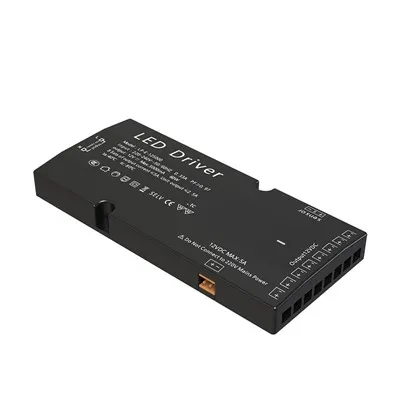


Can a Power Supply Equipment Access Box be used in a hazardous area?
As a supplier of Power Supply Equipment Access Boxes, I often encounter questions from customers regarding the suitability of our products for use in hazardous areas. This is a critical concern, as the safety and functionality of electrical equipment in such environments are of utmost importance. In this blog post, I will delve into the factors that determine whether a Power Supply Equipment Access Box can be used in a hazardous area, and provide insights based on industry standards and best practices.


Understanding Hazardous Areas
Before discussing the use of a Power Supply Equipment Access Box in a hazardous area, it is essential to understand what constitutes a hazardous area. Hazardous areas are defined as locations where there is a risk of explosion or fire due to the presence of flammable gases, vapors, dusts, or fibers. These areas are classified based on the likelihood and duration of the presence of these hazardous substances.
The most common classification systems for hazardous areas are the International Electrotechnical Commission (IEC) and the National Electrical Code (NEC) in the United States. These systems categorize hazardous areas into zones or classes, depending on the type of hazardous substance and the probability of its presence. For example, in the IEC system, Zone 0 is an area where an explosive gas atmosphere is present continuously or for long periods, while Zone 1 is an area where an explosive gas atmosphere is likely to occur in normal operation.
Requirements for Electrical Equipment in Hazardous Areas
Electrical equipment used in hazardous areas must meet specific requirements to ensure safety. These requirements are designed to prevent the ignition of the hazardous substances by the electrical equipment. Some of the key requirements include:
- Explosion-proof design: The equipment must be designed to contain any explosion that may occur inside the enclosure and prevent it from spreading to the surrounding environment. This is typically achieved through the use of robust enclosures and seals.
- Intrinsic safety: Intrinsically safe equipment is designed to limit the energy available for ignition to a level below that which could cause an explosion. This is often achieved through the use of low-power circuits and barriers.
- Protection against dust and moisture: The equipment must be protected against the ingress of dust and moisture, which can cause electrical failures and increase the risk of ignition.
Can a Power Supply Equipment Access Box be used in a Hazardous Area?
The answer to this question depends on several factors, including the design and construction of the Power Supply Equipment Access Box, the classification of the hazardous area, and the specific requirements of the application.
- Design and Construction: A Power Supply Equipment Access Box that is designed and constructed to meet the requirements for use in hazardous areas can be used in such environments. This may include features such as explosion-proof enclosures, intrinsic safety barriers, and protection against dust and moisture. For example, our Power Supply Equipment Access Box is designed with a robust enclosure that provides protection against explosion and ingress of dust and moisture.
- Classification of the Hazardous Area: The classification of the hazardous area determines the level of protection required for the electrical equipment. A Power Supply Equipment Access Box that is suitable for use in a less hazardous area may not be suitable for use in a more hazardous area. For example, a box that is designed for use in Zone 2 may not be suitable for use in Zone 1 or Zone 0.
- Specific Requirements of the Application: The specific requirements of the application, such as the type of power supply, the number of connections, and the presence of other electrical equipment, must also be considered. For example, if the application requires a high-power supply, the Power Supply Equipment Access Box must be able to handle the load without overheating or causing other electrical problems.
Examples of Power Supply Equipment Access Boxes for Hazardous Areas
There are several types of Power Supply Equipment Access Boxes that are suitable for use in hazardous areas. Some of these include:
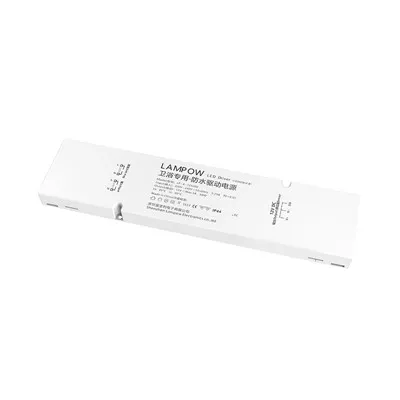
- DuPont Distributor Box: The DuPont Distributor Box is a high-quality distributor box that is designed for use in hazardous areas. It features an explosion-proof enclosure and is suitable for use in Zone 1 and Zone 2.
- 3pin DuPont Terminal Connector Extension Cable: The 3pin DuPont Terminal Connector Extension Cable is a flexible cable that is designed for use in hazardous areas. It features an intrinsically safe design and is suitable for use in Zone 0, Zone 1, and Zone 2.
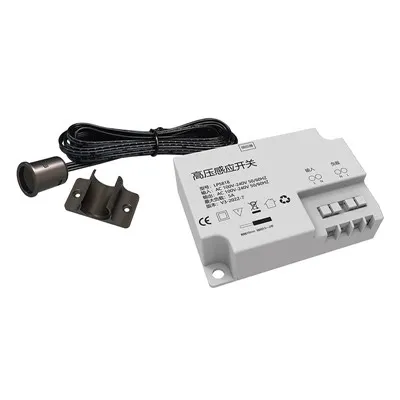
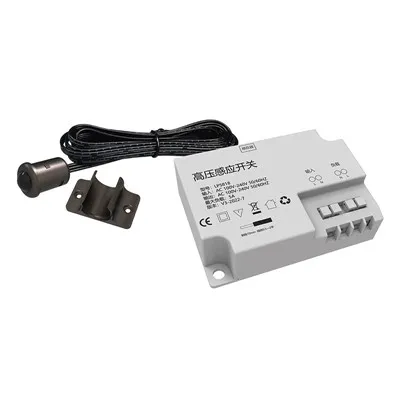
- Intelligent Power Controller: The Intelligent Power Controller is a advanced power controller that is designed for use in hazardous areas. It features an explosion-proof enclosure and is suitable for use in Zone 1 and Zone 2.
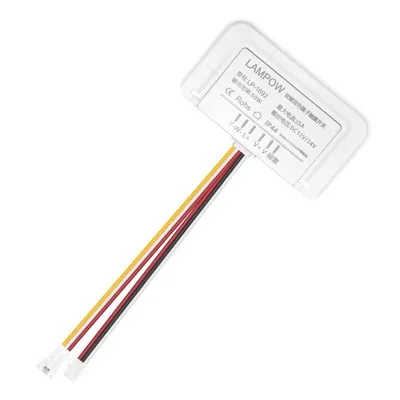
- Conversion Cable for Sensor Switch: The Conversion Cable for Sensor Switch is a specialized cable that is designed for use in hazardous areas. It features an intrinsically safe design and is suitable for use in Zone 0, Zone 1, and Zone 2.
Conclusion
In conclusion, a Power Supply Equipment Access Box can be used in a hazardous area if it is designed and constructed to meet the requirements for use in such environments. The classification of the hazardous area, the specific requirements of the application, and the design and construction of the box must all be considered when determining its suitability for use. As a supplier of Power Supply Equipment Access Boxes, we offer a range of products that are designed for use in hazardous areas, including the DuPont Distributor Box, 3pin DuPont Terminal Connector Extension Cable, Intelligent Power Controller, and Conversion Cable for Sensor Switch.
If you are considering using a Power Supply Equipment Access Box in a hazardous area, I encourage you to contact us to discuss your specific requirements. Our team of experts can provide you with detailed information about our products and help you select the right solution for your application.
References
- International Electrotechnical Commission (IEC). IEC 60079-0:2017, Explosive atmospheres - Part 0: General requirements.
- National Fire Protection Association (NFPA). NFPA 70:2020, National Electrical Code.
- DuPont. DuPont Distributor Box product documentation.
- Manufacturer of 3pin DuPont Terminal Connector Extension Cable. Product documentation.
- Manufacturer of Intelligent Power Controller. Product documentation.
- Manufacturer of Conversion Cable for Sensor Switch. Product documentation.