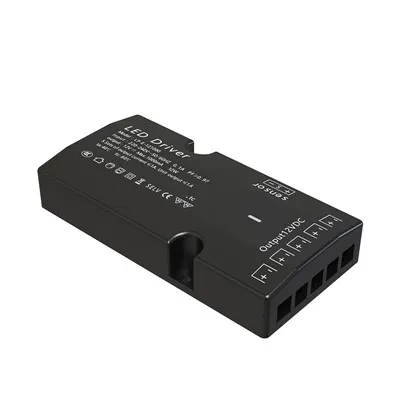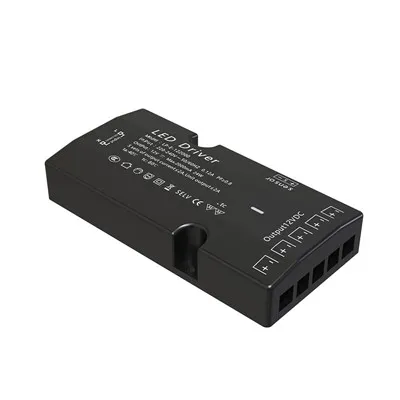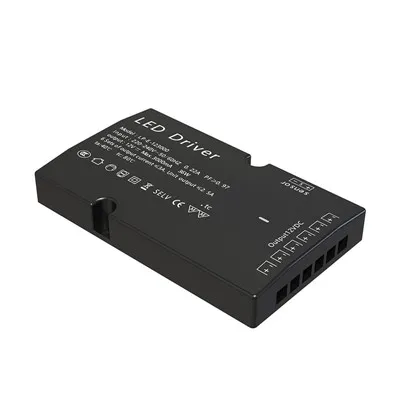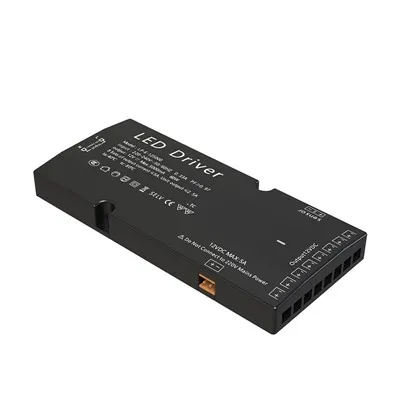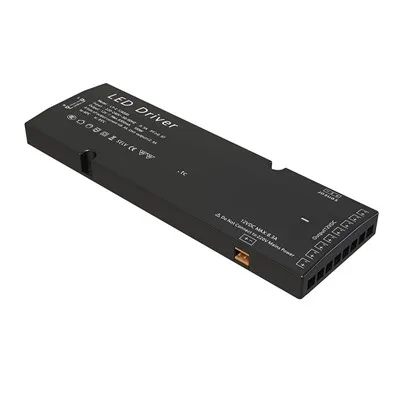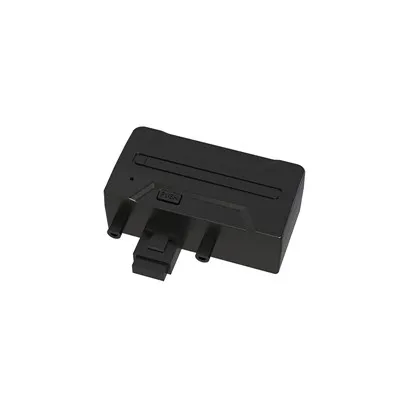

With the continuous development of technology, infrared sensor switch modules are being used more and more frequently in our daily lives. These modules automatically detect human body temperature and connect the load accordingly, then automatically shut off after a delay once the person leaves.
The human body maintains a constant temperature of around 37 degrees Celsius, emitting infrared radiation of approximately 10µm wavelength. Passive infrared detectors work by detecting this emitted infrared radiation. The 10µm infrared radiation emitted by the human body is amplified by a Fresnel filter and focused onto an infrared sensor. The infrared sensor typically uses a pyroelectric element. When this element receives infrared radiation from the human body and its temperature changes, it loses its charge balance and releases a charge. Subsequent circuitry detects this charge and triggers a switch.
When a person enters the sensing range, the infrared sensor switch module detects the change in the human body's infrared spectrum and automatically connects the load. As long as the person remains within the sensing range, the load remains connected. After the person leaves, the infrared sensor switch module automatically shuts off the load after a delay.
The sensor's spectral range is 1–10 μm, with a maximum of 6 μm, all within the infrared band. This range is determined by the optical properties of the silicon window housed in the TO-5 type metal casing.