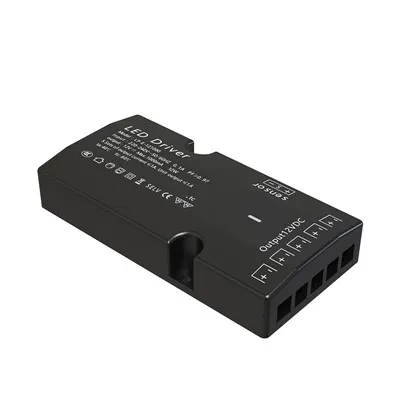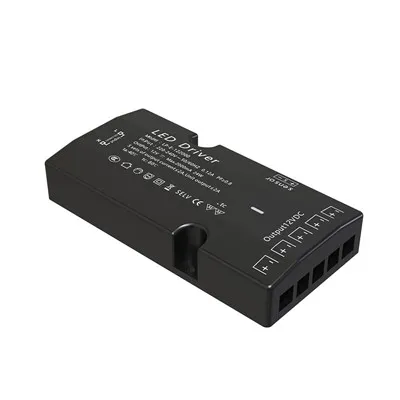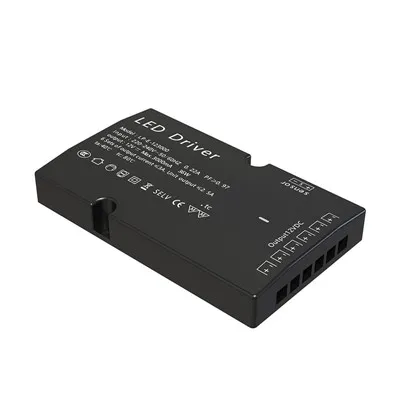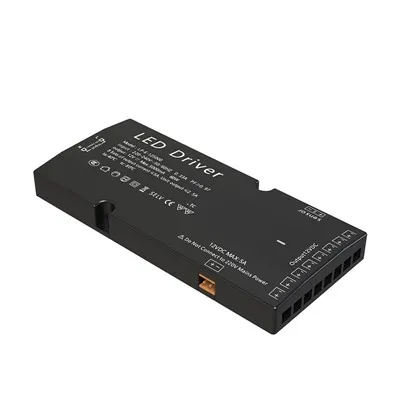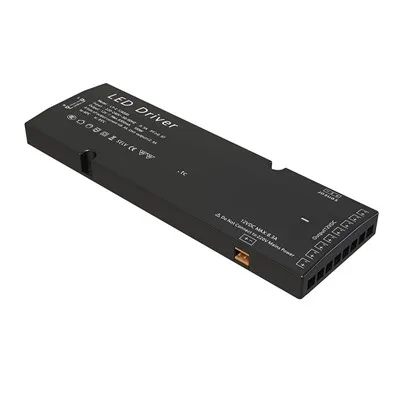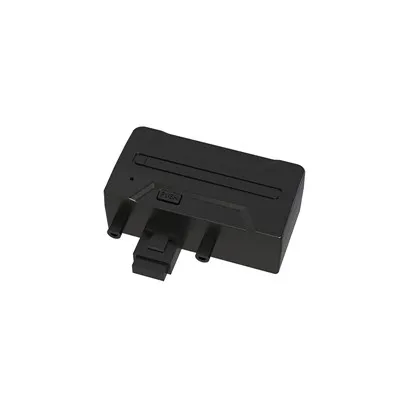

An LED controller is a device that controls the switching and dimming of LED circuits through a chip program, widely used in commercial lighting, architectural decoration, and advertising displays. Based on a preset program, it drives the light-emitting array, supporting brightness adjustment, color switching, and dynamic light effect control. Core functions include wireless remote control, multi-scene switching, and RGB intelligent dimming.
This device uses PWM pulse width modulation technology, is equipped with a dual-core processor, achieves a data transmission rate of 500Kbps, and features a capacitive touch remote control. It supports billions of color combinations and preset scene modes. The product is available in three types: online, offline, and both online and offline, covering different scale scenarios. Built-in 2.4GHz wireless transmission technology enables wire-free synchronous control and multi-device linkage.
The LED controller has passed international certifications such as China's 3C, the US UL, and Europe's CE, and complies with RoHS environmental standards. Technical parameters cover various types, including low-voltage, high-voltage, and serial controllers, adapting to the application requirements of LED lights of different power.