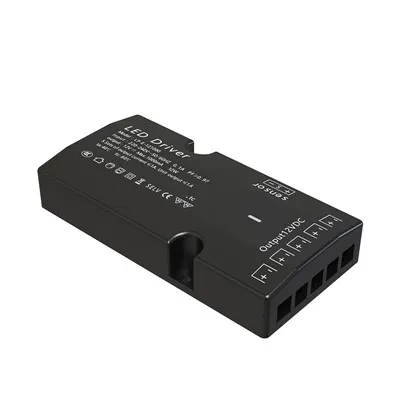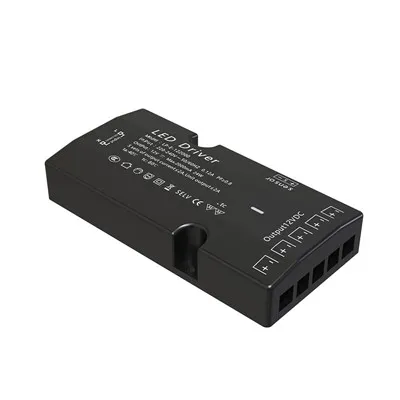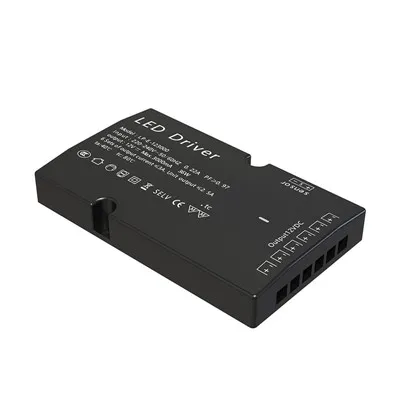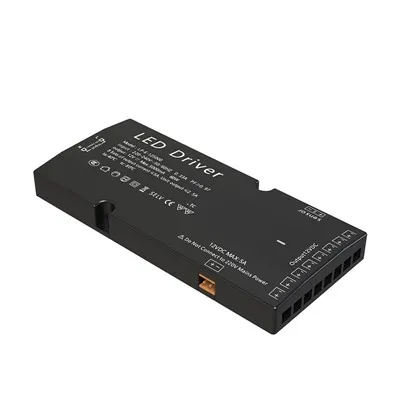

First, determine the positive and negative terminals of the power supply and the ignition switch wire.
The method is to first set the multimeter to DC mode, then connect the negative terminal (black wire) of the multimeter to the negative terminal (ground) of the battery. Then, use the positive terminal (red wire) of the multimeter to measure each wire one by one. The wire with voltage is positive (slightly higher than the power supply voltage), and the wire without voltage is negative. Note that there are three wires with power; one of them is the ignition switch wire. This wire has the characteristic that the voltage is the same when the key is on and the power supply is off; there is no voltage when the key is off.
Next, with the key off, connect the three wires: the thick red wire of the controller power supply is positive, and the thick black wire is negative. After connecting, turn the key on and measure the voltage of the power supply and the ignition switch wire to see if they are normal. Then measure the power supply voltage of the throttle wire (approximately 5V) and the Hall effect sensor wire (approximately 5V) (remember to set the multimeter to DC mode). Smart Property Management_Mobile e-Enterprise - Smart Property Management Solutions People interested in remote monitoring are also viewing China Mobile advertisements. Third, connect all voltages normally to the white learning wire: If the motor rotates in reverse, disconnect and reconnect it. After the motor rotates forward, disconnect the learning wire. Connect the throttle wire; generally, connecting according to color should work. If it still doesn't work, the throttle may be faulty. In that case, disconnect the throttle wire and directly connect the red and green wires of the controller throttle wire. If the motor rotates normally, it proves that the throttle is faulty; replace the throttle. Fourth, after the motor rotates normally, check the brake disconnect wire, Hall effect sensor wire, instrument wire, etc.