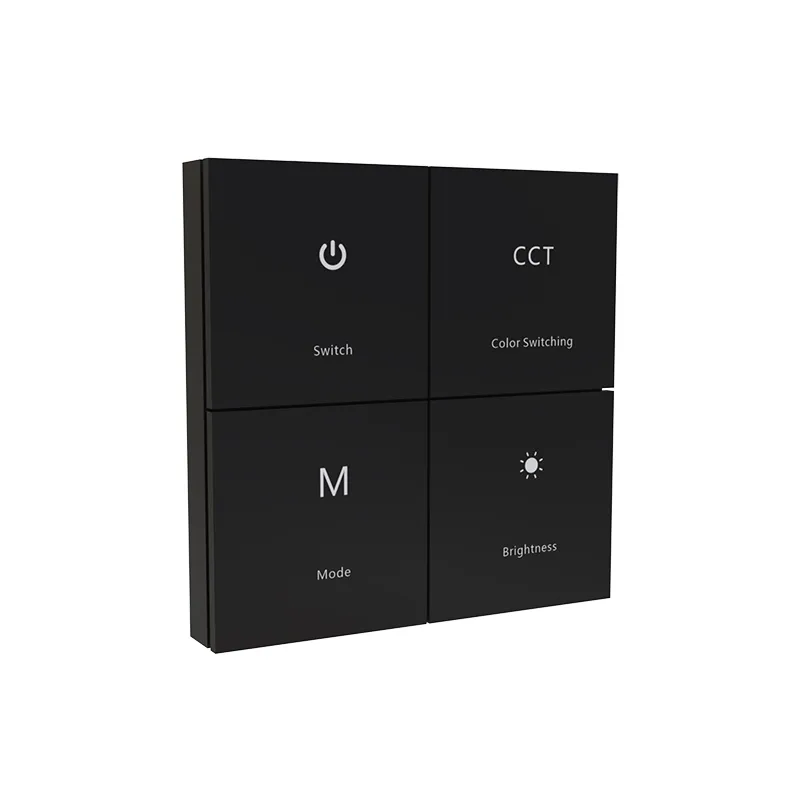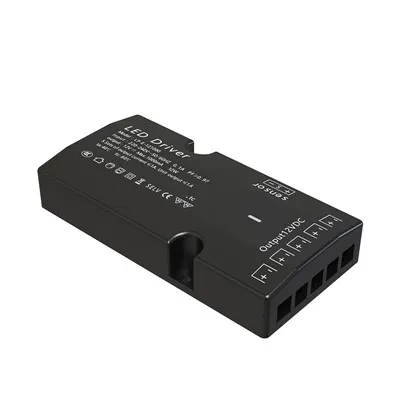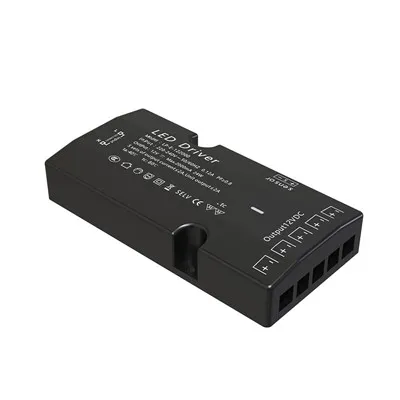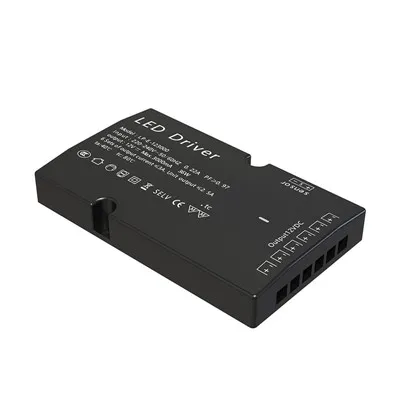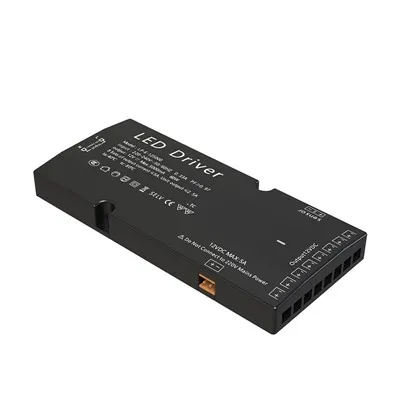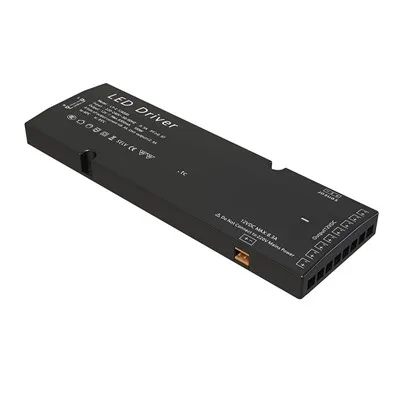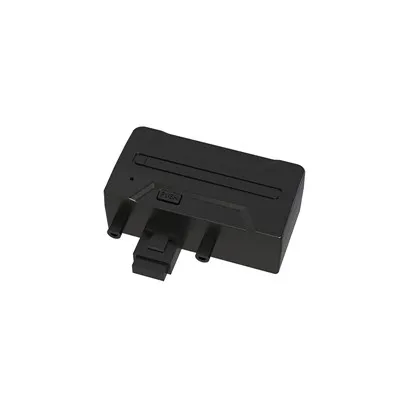

The principle of wireless remote control switches is primarily based on wireless communication technology to achieve contactless signal transmission and control. Its core components include command transmission, reception and decoding, and circuit control.
When a user presses a button on the remote control, the microcontroller converts the operation command into a digitally encoded signal and transmits it as electromagnetic waves via a wireless transmission module. The antenna of the receiving module captures the electromagnetic wave signal, the receiver chip demodulates it into an electrical signal, and the decoder identifies the control command. The decoded command is transmitted to the control circuit, which connects or disconnects the power line according to the command, thereby controlling the on/off state of lights, electrical appliances, and other devices.
This technology features wire-free installation, multi-protocol support, and low-power design. Its limitations include reliance on power supplies or batteries and the risk of signal interference. Main application scenarios include smart home interconnection and industrial remote control.