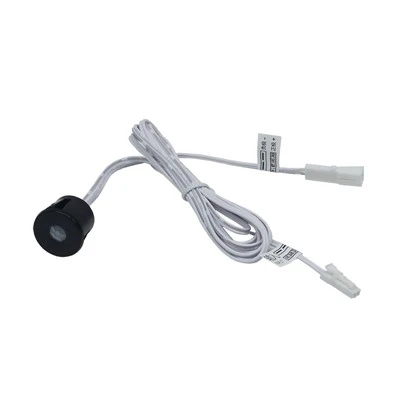

The primary function of an LED controller is to control the behavior and performance of LED lights. Here are some key features of LED controllers:
1. Controlling LED Light Switching and Brightness: An LED controller can control the switching state of LED lights by receiving input signals such as current or voltage. It can also adjust the current intensity to control the brightness of the LED lights. This allows LED lights to display different brightness levels as needed, adapting to different environments and application requirements.
2. Achieving Various Dynamic Effects: In addition to basic switching and brightness control, LED controllers can achieve various dynamic effects. For example, through programming, LED controllers can make LED lights exhibit rich visual effects such as chasing, flashing, and gradation. This is very common in stage performances, architectural lighting, and automotive lighting.
3. Intelligent Management: Modern LED controllers typically have intelligent functions, allowing connection to the internet for remote control and monitoring. Users can remotely control the status of LED lights via mobile phone or computer, and even set timed switching and scene modes. Furthermore, LED controllers can monitor the working status of LED lights and promptly respond to and handle any abnormalities.