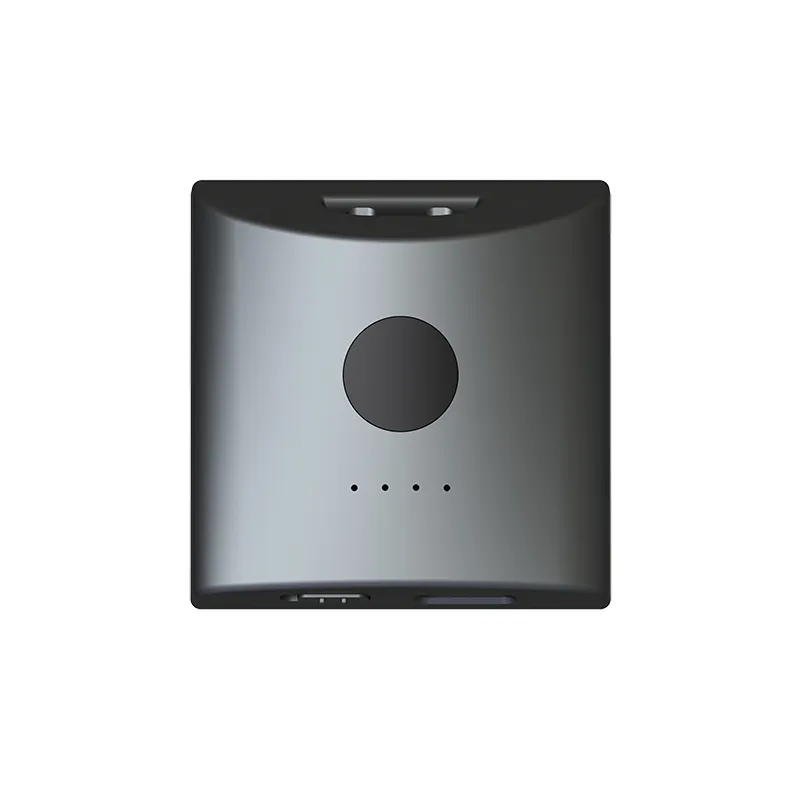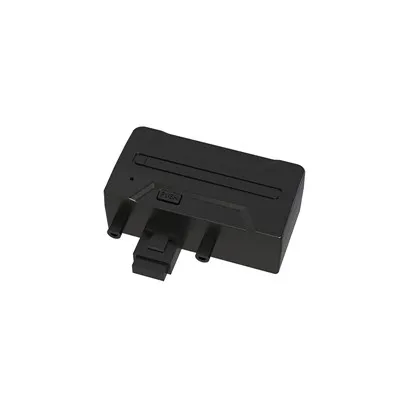

Wireless induction switches are smart devices that control electrical appliances by using chips to control relays. They employ wireless communication technologies such as ZigBee, Bluetooth, and Wi-Fi, combined with a single-wire power supply solution to address wiring challenges in older residential buildings. Their core components include a microprocessor, sensors, and a communication module, supporting remote control via a mobile app, interaction with smart speakers, and timer functions. They are also compatible with touch operation and LED status displays. In smart home scenarios for companies like lighting companies, wireless switches simplify wiring, enabling quick installation and easy operation, allowing users to remotely control lighting fixtures and appliances via smartphones.
In the industrial sector, wireless switch transmitters enable long-distance control with encrypted transmission capabilities. The technology behind these devices includes flame-retardant material protection and load-adaptive technology, adapting to various scenarios such as homes and commercial buildings. Patented innovations involve rotary operation sensing and damping adjustment technology to meet diverse user control needs. The industry is expanding into industrial manufacturing, new energy, and other fields by integrating 5G and AI technologies, forming a distributed intelligent architecture and cross-brand interconnectivity capabilities.